The Best Time to Visit Svalbard (2026-2027)
Ask which month is best and you get four different right answers, because Svalbard runs four separate tourist seasons that barely overlap.
 Verified by Lars Hansen, Norway tour specialist covering Arctic Norway and Svalbard
Short answer
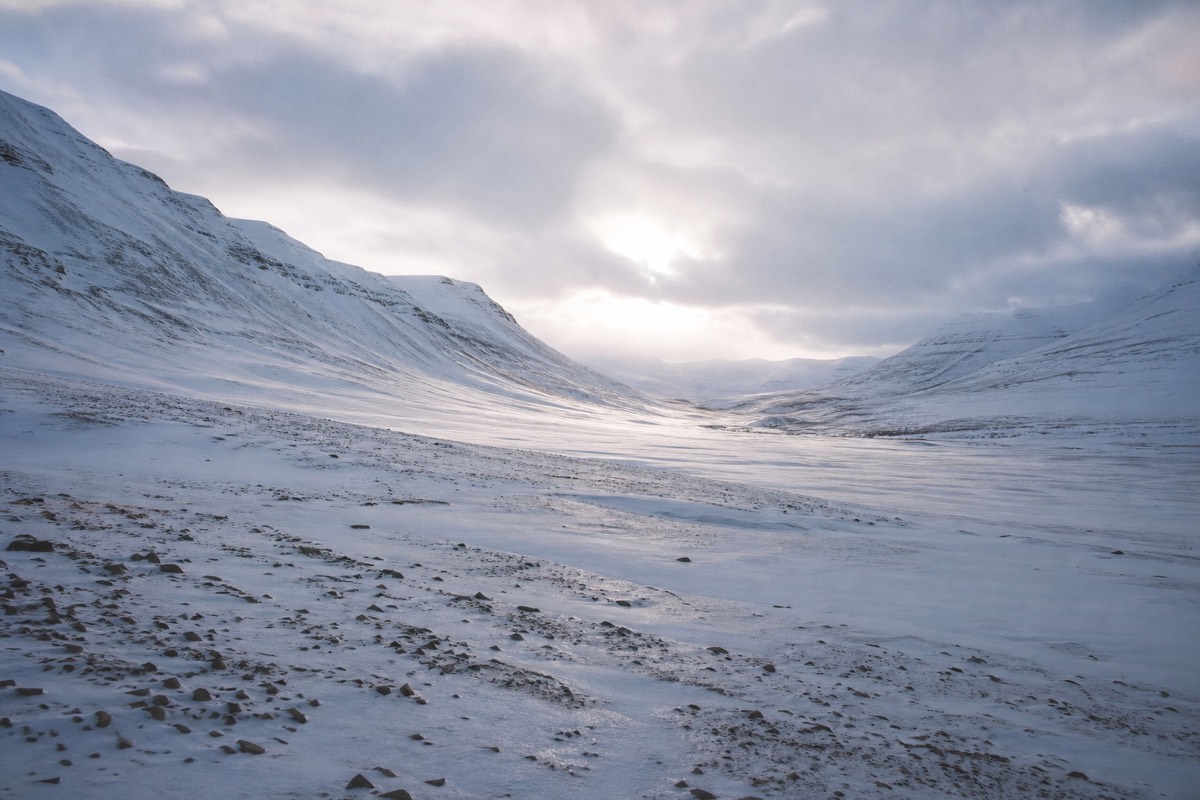
March is the strongest all-round month: deep snow, daylight returning fast, and snowmobiles, ice caves and snowshoe hikes all running at once. July is best for boats to Pyramiden, bird cliffs and the midnight sun. December and January are for the polar night and daytime aurora. May and October are the two months to avoid if you want choice.
The first thing to understand about Svalbard is that "when should I go" is really "which trip do you want". A visitor arriving in March and a visitor arriving in July are going to two different places that happen to share a postcode. One will drive a snowmobile across a frozen valley in blue twilight. The other will stand on a boat deck at midnight in gold light watching a glacier calve. Neither can have the other's day.
Longyearbyen sits at 78.22 degrees north, and at that latitude the light does not gradate the way it does further south. It switches.
What is the best month to visit Svalbard?
March, if you want the widest choice. Deep snow cover, daylight coming back fast after the polar night, and snowmobiles, ice caves and snowshoe hikes all running at once. July if you want boats to Pyramiden and Barentsburg, seabird cliffs and the midnight sun. December or January if the polar night and daytime aurora are the reason you are coming.
The four seasons are defined by Visit Svalbard itself rather than by convention, and they map almost exactly onto what is bookable.
| Season | Dates at Longyearbyen | Categories running | What you cannot have |
|---|---|---|---|
| Polar night | 11 Nov to about 29 Jan | Northern lights, town and mine tours, ice caves from about December, first snowmobiles | No daylight at all, no boats, no summer hiking |
| Sunny winter | 1 Mar to 19 Apr | Snowmobile, ice caves, snowshoe hikes, ski touring, town tours | Aurora is over by mid-February. No boats. |
| Midnight sun | 20 Apr to about 22 Aug | Boats, hiking, wildlife, photography, town tours | No darkness at all, so no aurora. Snowmobiles stop mid-May. |
| Golden autumn | 24 Aug to 30 Sep | Boats until the ice returns, hiking, wildlife, town tours | No snowmobiles, no ice caves |
Notice that only one season gives you both snow activities and aurora, and it is a narrow window: late January into the first half of February, where the returning snowmobile season overlaps the tail of the dark season. The pairing that works in that window is a snowmobile trip with an ice cave at the end, and you can check live availability and prices on GetYourGuide to see whether your dates fall inside it.
Which month gives you the most to do?
March, and it is not close. Every winter category is running, the snow is at its deepest, and daylight has come back far enough that a full day outdoors is comfortable again. April is nearly as good and slightly warmer. July is the summer equivalent, with the boats, the bird cliffs and the wildlife all at their peak.
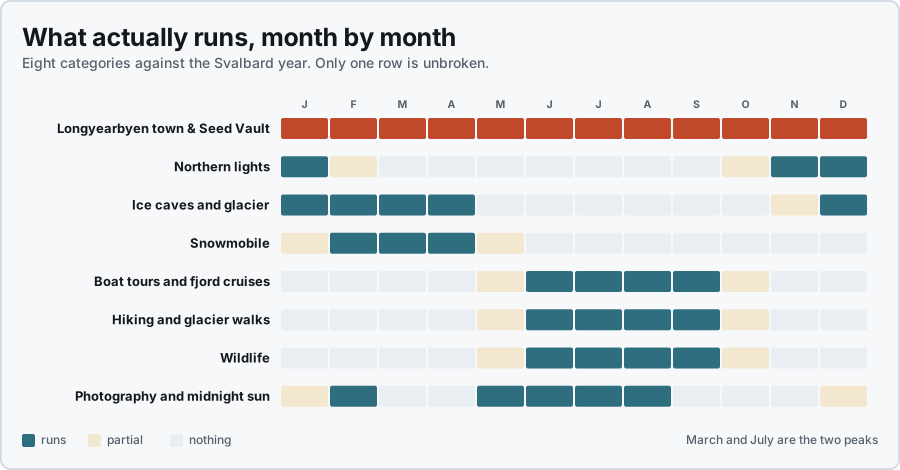
Counting the categories that genuinely operate rather than the ones that theoretically exist. Temperatures are typical Longyearbyen ranges, and the live forecast from the Norwegian Meteorological Institute is the one residents actually use:
| Month | Categories bookable | Typical temperature | The catch |
|---|---|---|---|
| January | 4 | -16 to -12 °C | No daylight, and snowmobile season only starts late in the month |
| February | 5 | -16 to -12 °C | The last aurora weeks. Best month for blue-hour photography. |
| March | 5 | -15 to -10 °C | Aurora largely gone. Books out early. |
| April | 5 | -12 to -6 °C | Midnight sun arrives on the 20th and kills the aurora entirely |
| May | 3 | -4 to +1 °C | The awkward month. Snowmobiles stop, boats have not started. |
| June | 5 | +1 to +5 °C | No snow activity at all |
| July | 5 | +3 to +7 °C | Peak season, peak prices, Pyramiden boat sells out |
| August | 5 | +3 to +7 °C | Midnight sun ends on the 22nd |
| September | 5 | 0 to +3 °C | Weather at its most changeable, boat cancellations peak |
| October | 3 | -5 to -2 °C | The quietest month, and the least on offer |
| November | 4 | -10 to -8 °C | Polar night begins on the 11th |
| December | 4 | -14 to -11 °C | No daylight, but Longyearbyen at Christmas is genuinely something |
When can you see the northern lights in Svalbard?
Roughly late October to mid-February. The peak is the polar night itself, 11 November to about 29 January, when the sun never rises and the aurora can appear at any hour, including the middle of the working day. From 20 April to 22 August there is no darkness at all and no aurora tour operates.
Svalbard's aurora selling point is not frequency, it is timing. This is the only inhabited place where you can photograph the lights over lunch. That is a genuinely different experience from waiting until eleven at night in Tromso.
What it is not is the highest-probability place. Svalbard sits slightly north of the strongest part of the auroral oval, so on an average clear night mainland Arctic Norway often performs better. Come for the daytime aurora and the treeless, unlit landscape, not for better odds. The full version is in the northern lights guide, and the listings themselves are on the northern lights tours page.
Which months should you avoid?
May and October. May is the transition: snowmobiles stop around mid-month as the snow goes, the ice caves have closed, and the fjord has not always cleared enough for boats to start. October is the reverse, with the boats finishing and winter not yet begun. Both leave you with the town tours and little else.
If your dates are fixed in May or October, the trip still works, it is just narrower. October has one real advantage: it is the cheapest month for flights and rooms, and the aurora returns late in it. May's compensation is the midnight sun arriving on the 20th, which is spectacular even with nothing snow-based to do under it.
The other month to think carefully about is December, not because there is little on, but because four weeks of genuine darkness affects some people more than they expect. Read what polar night is actually like before booking it as a novelty.
When should you book?
Three to six months ahead for March, April, July and August. Group sizes are genuinely small, the Pyramiden boat caps at eight people, and Longyearbyen has a finite number of qualified guides. Free cancellation applies on 58 of the 62 listings, so an early booking ties up nothing.
The nine-hour boat day north to the Pyramiden ghost town is the clearest example: 4.6 across 40 reviews, eight seats, and gone from July and August long before people start planning. If summer is your window, check price and dates here before anything else.
The pattern from the listings is that the constrained resource is guides, not vehicles. That means the highest-rated tours fill first regardless of category, and it means late availability tends to be the private upgrades rather than the standard product.
If you are choosing between two candidate weeks, book the tours before the flights. It is the tours that will be sold out, not the plane.
| If you want | Go in | Book by | Start with |
|---|---|---|---|
| Snowmobiles and ice caves | March or early April | December | The snowmobile and ice cave combination, the best value pairing on the site |
| Aurora, including at midday | December or January | September | The northern lights photography tour, most reviewed in its category |
| Boats to Pyramiden and the bird cliffs | July | March | The nine-hour Pyramiden day |
| Both snow and aurora | Late January to mid-February | October | A snowmobile trip plus two separate aurora evenings |
| Lowest cost | Late September or October | Anytime | The Longyearbyen town and mine tours |
What is the shoulder season actually like?
Quieter, cheaper and narrower. Late September to October and early November sit between the summer boats and the winter snow, so fewer categories run, but flights and rooms soften and the crowds thin right out. Late September is the pick of them, because the boats are still sailing while the first aurora of the year returns, the only overlap of the two all year.
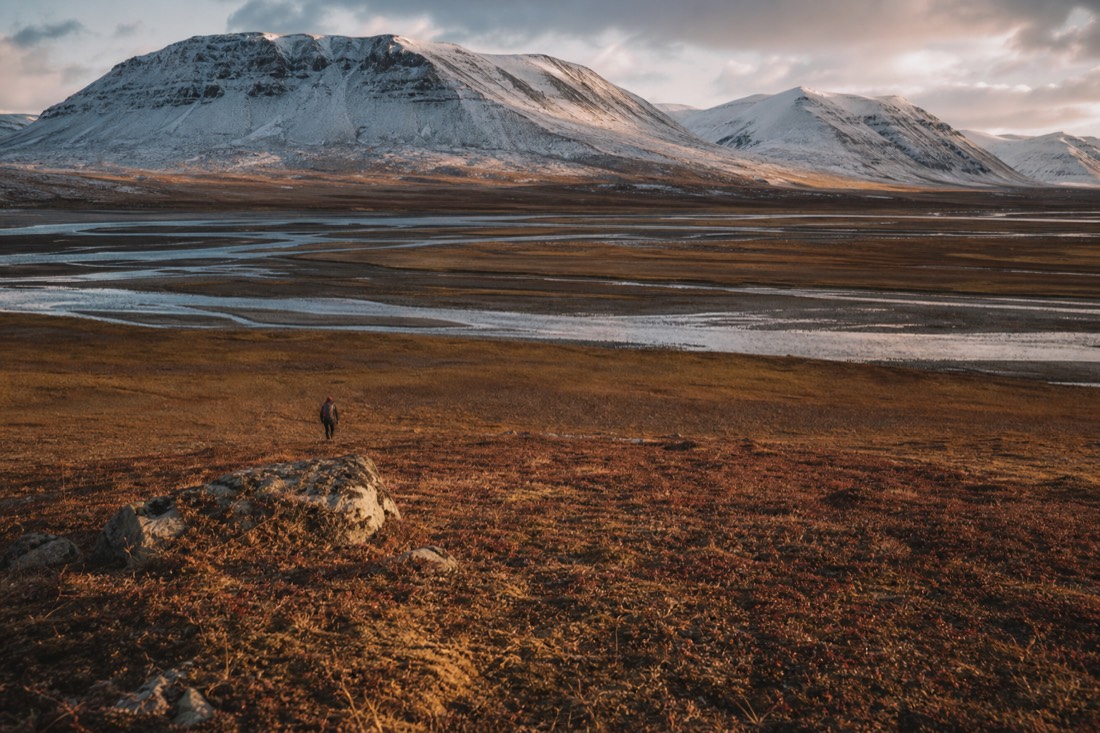
The shoulder is under-booked partly because it is genuinely thinner and partly because people default to the July and March peaks. If you want low-season pricing and can accept a shorter menu, it rewards you.
| Shoulder window | What still runs | What has stopped | Why go then |
|---|---|---|---|
| Late September | Boats, hiking, wildlife, town, first aurora | Snowmobile, ice caves | The only boats-plus-aurora overlap |
| October | Town tours, late boats, aurora late in the month | Most hiking, all snow activity | Cheapest flights and rooms of the year |
| Early November | Town, first snowshoe and ice-cave trips | Boats, most snowmobile | Polar night just beginning, very quiet |
The trade is real: you swap breadth of choice for lower cost and near-empty tours. For a second visit, or for someone who mainly wants the town, the museums and one or two signature trips, it is arguably the smart season.
How does the light change through a single trip?
Fast, at this latitude. In the transition weeks the daylight can shift by twenty minutes a day, so a four-night trip in late April or late August starts and ends in visibly different light. In the deep polar night or high summer it barely changes at all, which is its own kind of strange.
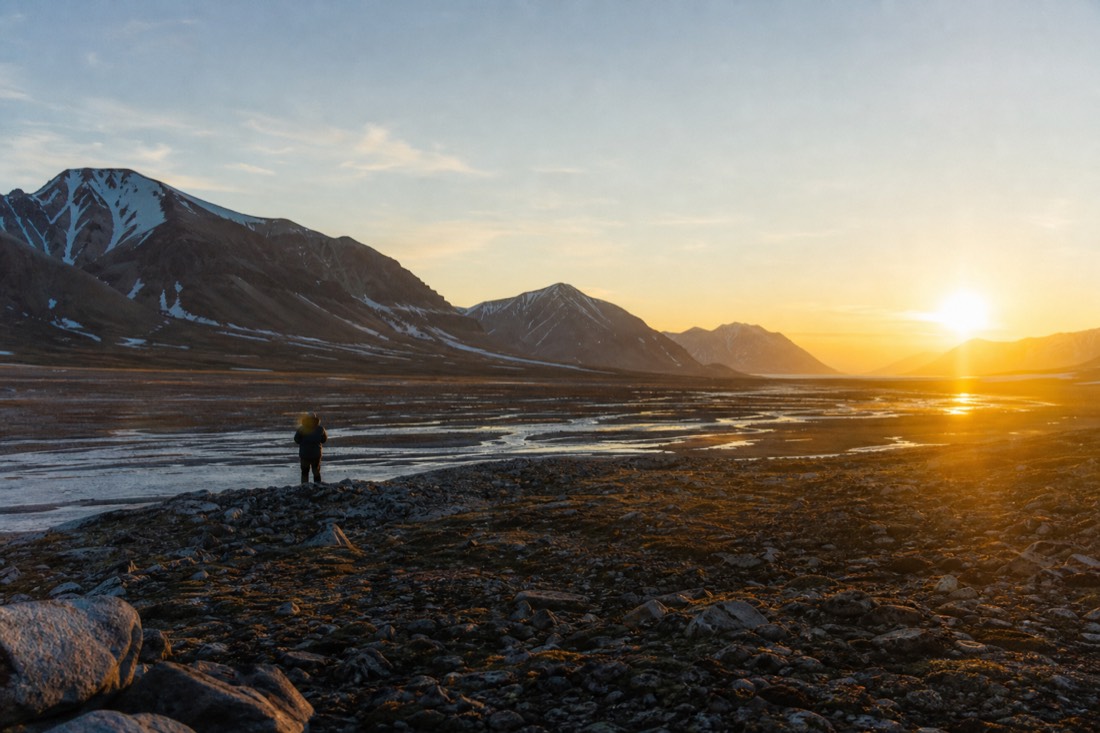
Understanding the rate of change helps you time a trip to the light you want rather than the light you get.
| Period | How fast the light changes | What that means for a short trip |
|---|---|---|
| Deep polar night, Dec to Jan | Almost not at all | Every day looks the same; plan by the clock |
| Returning sun, late Feb to March | Very fast, minutes per day | The trip visibly brightens as it goes |
| Midnight sun, May to July | No change, always up | No time cues at all; bring an eye mask |
| Autumn return of dark, late Aug to Sep | Very fast | Real nights arrive within your stay |
The two fast-change windows are the most disorienting and the most photogenic, because the light is doing something every single day. The two stable windows are the ones people find restful or maddening depending on temperament.
Which month suits which traveller?
Photographers and aurora chasers want the dark-season and blue-hour months. Families and first-timers want March or July for the fullest, most forgiving programme. Budget travellers want late September or October. Wildlife watchers want late June to July for the bird cliffs, and anyone chasing the polar night experience itself wants December or January.
Rather than a single "best month", the honest answer maps intent to timing, because the archipelago is running several different trips at once.
| You are | Best window | Why |
|---|---|---|
| A first-timer wanting the most to do | March, or July | Widest programme, most forgiving conditions |
| A photographer after the light | February, or late June | Blue hour, or midnight sun around the clock |
| An aurora chaser | December to January | Daytime aurora during polar night |
| A wildlife watcher | Late June to July | Bird cliffs at full volume, reindeer everywhere |
| On a budget | Late September, October | Low-season flights and rooms, boats still running |
| After the polar night as an experience | December, January | The genuine 24-hour dark, and Christmas in town |
Match the month to the reason you are going, and the "when" answers itself. The month-by-month table then shows exactly what is bookable in the window you have chosen.
Common questions about timing a Svalbard trip
Can I see the northern lights and go snowmobiling on the same trip?
Only in a narrow window. Aurora season ends around mid-February and the snowmobile season starts properly in late January, so late January into early February is where the two overlap. March has better snow and almost no aurora. If you want both, aim for the first fortnight of February and accept slightly less daylight than March would give you.
Is Svalbard worth visiting in summer if there is no snow?
Yes, and the summer trip is arguably the more varied one. The boats to Pyramiden and Barentsburg only run then, the seabird cliffs hold tens of thousands of birds, the reindeer are everywhere and visible, and the midnight sun gives you golden light at three in the morning. What you lose is everything snow-based, which is a real loss if snowmobiles were the point.
How cold does Svalbard actually get?
Less extreme than the latitude suggests, because the North Atlantic current reaches this far. Typical winter days in Longyearbyen sit between -16 and -10 °C, and summer days between +3 and +7 °C. Wind is what makes it bite: there are no trees and no shelter, so a moderate breeze at -12 °C feels far worse than a still day at -20 °C. The [month-by-month weather guide](/guides/svalbard-weather-by-month/) has the detail.
When is the cheapest time to visit Svalbard?
October and early November, which is also the quietest and the thinnest for activities. Tour prices barely move by season, but flights and accommodation soften noticeably outside the March to April and June to August peaks. Late September is the value sweet spot: low-season pricing with the boats still running and the first aurora of the year arriving.
Does anything run all year in Svalbard?
Only the Longyearbyen town, mine and Seed Vault tours, which is why they are worth holding in reserve. Twelve of the 62 listings operate in every month, and the Gruve 3 coal mine tour in particular is underground and therefore weatherproof. On a trip where the fjord closes and the valley whites out, that category is what saves the day.
Plan your tour
Check the season's signature trips against your dates
Initial editorial choice, not a personalized eligibility check. Confirm the operator’s full requirements before booking.
Narrow the signature trips by month and time
This screens only the season, the time window and the pick you choose, using each listing’s published duration and season. Health, fitness, language, licence and every remaining requirement still need operator confirmation, and travel to the meeting point is not included in the durations.
- Snowmobile safari with ice cave (Viator listing): The same snowmobile-plus-ice-cave day, bookable through Viator with scheduled departure dates you can check in advance. 7 hours A car licence is required to drive; the from-price differs between platforms, so compare before booking.
- Snowmobile safari with ice-cave exploration: One winter day that combines a snowmobile safari across the valleys with standing inside a glacier ice cave. 7 hours A car licence is required to drive, and the cave you visit changes with the season's ice.
- Pyramiden & Nordenskiöld Glacier boat tour: The full Isfjorden crossing to the Soviet ghost town of Pyramiden with the Nordenskiöld glacier front on the way, in one day. 9 hours Nine hours door to door and summer-only while Isfjorden is ice-free; a long day that depends on sea state.
- Northern lights photography tour: A guide who reads the cloud and drives to the clear gap, with camera help so the night produces photographs, not just memories. 4 hours Roughly four evening hours in the dark and cold; sightings depend on solar activity and cloud.
Snowmobile safari with ice cave (Viator listing)
Have your travel date in mind? Check it before arranging the rest of your day. The same snowmobile-plus-ice-cave day, bookable through Viator with scheduled departure dates you can check in advance.
7 hours
A car licence is required to drive; the from-price differs between platforms, so compare before booking.
Schedule loading. You can still check dates directly on Viator below.
Scheduled dates are not confirmed seats. Select the same date on Viator to confirm availability and the final price.