Can You Actually See Polar Bears in Svalbard?
More people search for this than for anything else about Svalbard, and almost nobody answers it honestly.
 Verified by Lars Hansen, Norway tour specialist covering Arctic Norway and Svalbard
Short answer
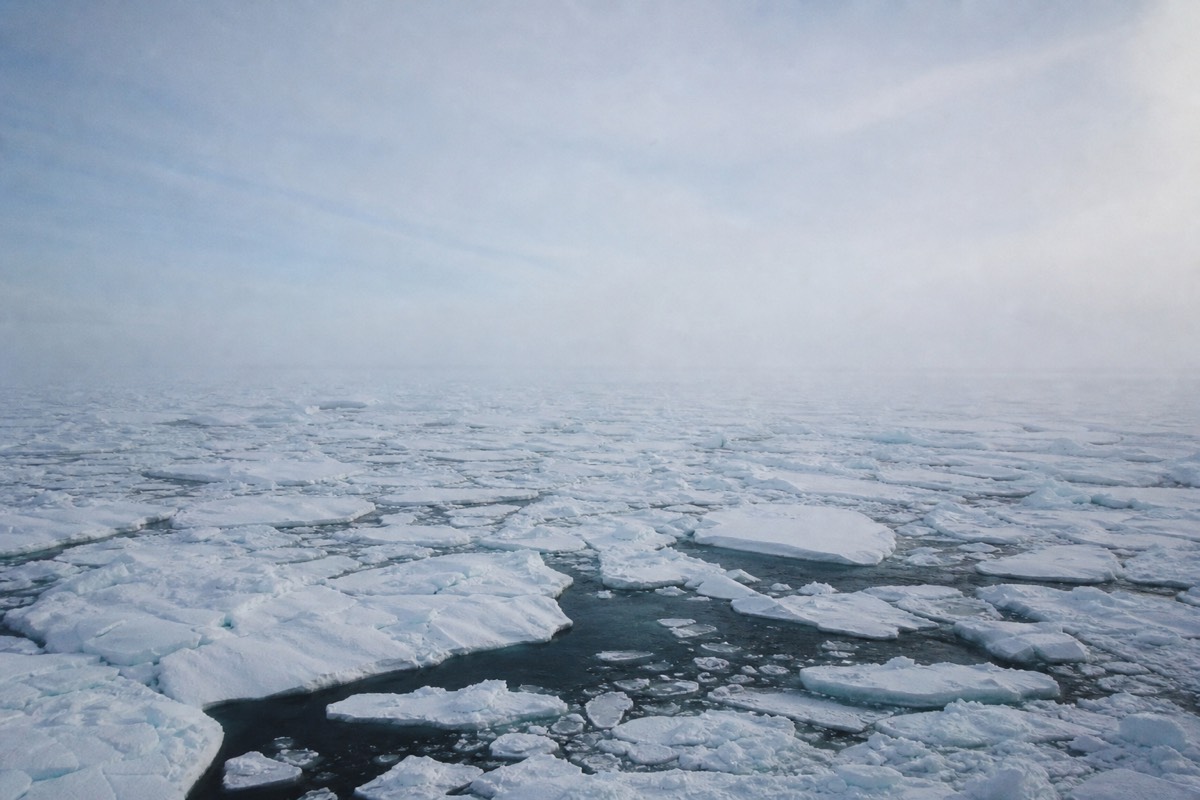
Not on a day tour from Longyearbyen. Polar bears follow the sea ice and are realistically seen only from multi-day expedition vessels working the remote fjords and the ice edge, over days rather than hours. Norwegian law also requires you to stay 300 metres away, rising to 500 metres from 1 March to 30 June. Day tours do reliably deliver Svalbard reindeer, Arctic fox, seabird colonies, seals and sometimes beluga.
There are more polar bears in Svalbard than there are people. It is the line every article about the archipelago opens with, it is roughly true of the wider Barents Sea population, and it produces a completely false expectation in almost everyone who reads it.
The bears are here. They are just not where you will be.
Can you see polar bears on a Svalbard day tour?
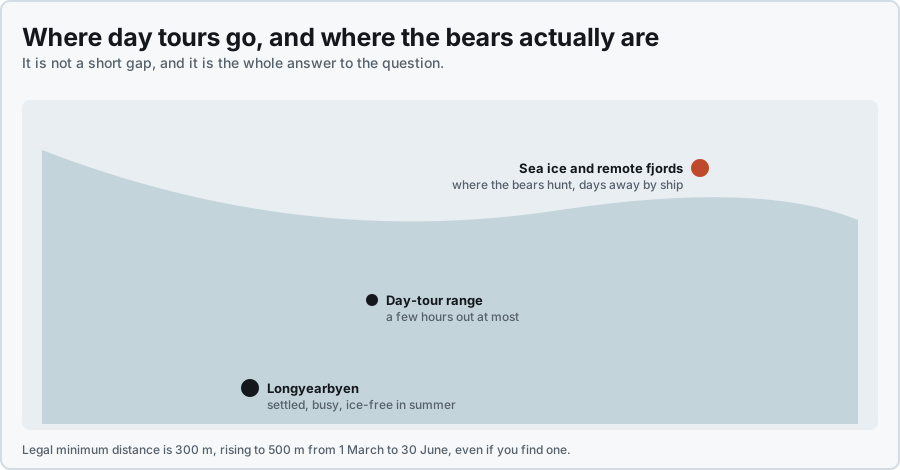
No. Polar bears follow the sea ice, which in most seasons sits far from Longyearbyen, and seeing one realistically means days on a vessel in remote fjords or at the ice edge. Even on those trips operators describe it as a chance, not an itinerary item. A four-hour van safari or a six-hour boat trip out of Longyearbyen will not produce a bear, and no honest operator claims it will.
The mismatch is geographic, not commercial. Longyearbyen sits on Isfjorden, a busy, settled, ice-free-in-summer fjord with an airport, a coal mine, a university and two and a half thousand residents. It is the least bear-like habitat in Svalbard. Bears hunt seals from sea ice, and sea ice is what Isfjorden increasingly does not have.
| Where you are | Realistic chance of a bear | Why |
|---|---|---|
| Walking in Longyearbyen | Effectively nil, and a sighting would trigger an emergency response | Settled, lit, busy, and bears are actively kept out |
| Day tour in Adventdalen or Bjorndalen | Very low | Close to town, well trafficked, no sea ice |
| Day boat in Isfjorden | Very low | Working fjord, open water in summer, no hunting habitat |
| Day trip to Pyramiden or Barentsburg | Low, but not zero | Further out, and bears do transit the fjord system |
| Multi-day expedition ship, remote fjords | Realistic over several days | Actual habitat, and enough hours to find one |
| Ship at the pack-ice edge | The best chance there is | Where the seals are, therefore where the bears are |
Where are the polar bears actually?
On and around the sea ice, in the remote fjords of eastern and northern Svalbard and out towards the ice edge. The Svalbard population belongs to the wider Barents Sea population, which ranges enormously with the ice. The last full Norwegian Polar Institute count within Svalbard's own boundaries came to 264 bears, across an archipelago of roughly 61,000 square kilometres.
That figure is worth sitting with. Two hundred and sixty-four animals spread across an area the size of Ireland, most of it inaccessible, none of it near the one town you can fly to. The "more bears than people" line compares the wider regional population to Svalbard's small human population, which is arithmetically fine and practically misleading.
The ice matters more than the map. In a year when the ice retreats north early, bears go with it and the fjords near Longyearbyen see almost none. That variability is why serious expedition operators will not promise sightings even on a two-week voyage.
What does the law say about approaching a polar bear?
You must not travel or remain closer than 300 metres to a polar bear, rising to 500 metres between 1 March and 30 June. If a bear closes the distance, you are legally required to move away. Deliberately attracting, pursuing or disturbing a bear is prohibited outright. These rules took effect on 1 January 2025.
This is the part that quietly kills the photograph people imagine. Even in the best case, on the right vessel, in the right fjord, you are looking at a cream-coloured shape at three hundred metres, and the good pictures you have seen were taken on very long lenses by people who spent a fortnight trying.
| Rule | Requirement | Source |
|---|---|---|
| Minimum distance, 1 July to 28 February | 300 metres | Governor of Svalbard |
| Minimum distance, 1 March to 30 June | 500 metres | Governor of Svalbard |
| If a bear approaches | You must withdraw to restore the distance | Governor of Svalbard |
| Attracting, pursuing or disturbing | Prohibited | Svalbard Environmental Protection Act |
| Minimum distance from walrus haul-outs | 500 metres | In force since 1 January 2025 |
| Drones near wildlife and bird cliffs | Prohibited, plus a blanket ban in protected areas | Governor of Svalbard |
The full text of the 2025 amendments is on the Governor of Svalbard's own announcement, and the wider set of visitor obligations is in our guide to the rules.
So why does every site sell "polar bear tours in Svalbard"?
Because the phrase has more search demand than anything else in Svalbard travel, and a page that ranks for it earns money whether or not the trip delivers. The listings themselves are usually more careful than the articles pointing at them. It is the affiliate layer, not the operators, that oversells this.
We can be specific about our own position here. This site earns a commission when you book through it. Writing a page that let you believe a $173 van safari might produce a polar bear would earn us more, not less. We are not doing it because the review afterwards would be justified and because the actual wildlife day on offer is genuinely good on its own terms.
What will you actually see on a Svalbard wildlife day?
Svalbard reindeer are close to certain, because they graze at the edge of town and have almost no fear of people. Arctic fox is a realistic maybe. From late May to mid-August the seabird cliffs hold tens of thousands of birds. From the water, seals are likely, and beluga and walrus are both genuinely possible.
One of the real reviews on the wildlife listings captures the honest version better than we could. Tamalika from India, writing in July 2026 after the wildlife and polar plunge trip: "We were lucky to spot walrus, beluga whales and seals in the ocean, many reindeers and Arctic goose and ptarmigan bird. We couldn't spot the Arctic fox but that's okay, we saw many animals."
That is what a good day here looks like. Several species, one miss, and someone who came home happy. It is also the best-rated wildlife listing on the archipelago at 4.9 across 7 reviews, so if that is the day you actually want, check availability here.
| Species | Realistic on a day tour | Best season | Where |
|---|---|---|---|
| Svalbard reindeer | Very likely | Year-round | Adventdalen, Bjorndalen, the edge of town |
| Arctic fox | Possible | Year-round, whiter in winter | Valley sides, near bird cliffs |
| Seabirds in huge numbers | Very likely in season | Late May to mid-August | Fuglefjella and other cliff colonies |
| Ringed and bearded seal | Likely from a boat | Summer from water, year-round on ice | Isfjorden, glacier fronts |
| Walrus | Possible, at 500 m minimum | Summer | Established haul-outs, mostly by boat |
| Beluga whale | Possible on longer crossings | Summer | Isfjorden, near glacier outflows |
| Polar bear | No, not on a day tour | Follows the sea ice | Remote fjords and the ice edge |
Bring binoculars. Visit Svalbard's own activity directory lists which operators run dedicated wildlife days, and between the legal distances, the open terrain and the cliff colonies, most of what you see here you see at range, and a pair of 8x42s changes the day more than any other single item you can pack.
If you genuinely want to see a polar bear, what should you book?
A multi-day expedition vessel, ideally in June or July when the ice edge is reachable and the light is endless. Budget several thousand pounds for a week or more, treat any sighting as a bonus, and choose an operator who describes it as a chance rather than a promise.
Genuine bear country needs a multi-day expedition vessel, ideally in June or July when the ice edge is reachable and the light is endless. Most of those voyages are sold by specialist expedition lines, and the one you can reserve through this site's listings is a private eight-day micro cruise with twelve guests, the closest thing to an ice-edge trip on a booking platform: check the micro cruise on Viator. Treat the day listings as the honest add-on to an expedition plan, never the substitute, and compare what actually runs on the wildlife tours page.
Everything else on this site is a reindeer, fox and bird-cliff day. That is a fine thing to book, as long as you booked it knowing what it is. If you are still weighing up whether the whole trip earns its cost, is Svalbard worth visiting takes that question on directly.
How much does a real polar bear trip cost?
A multi-day expedition voyage, which is what a genuine polar bear trip requires, runs from roughly £3,500 to £8,000 or more per person for a week to ten days, before flights to Longyearbyen. That is a completely different budget from the $165 to $247 day-tour wildlife listings, and it buys the one thing a day tour cannot: enough time on the ice edge for a sighting to become likely rather than lucky.
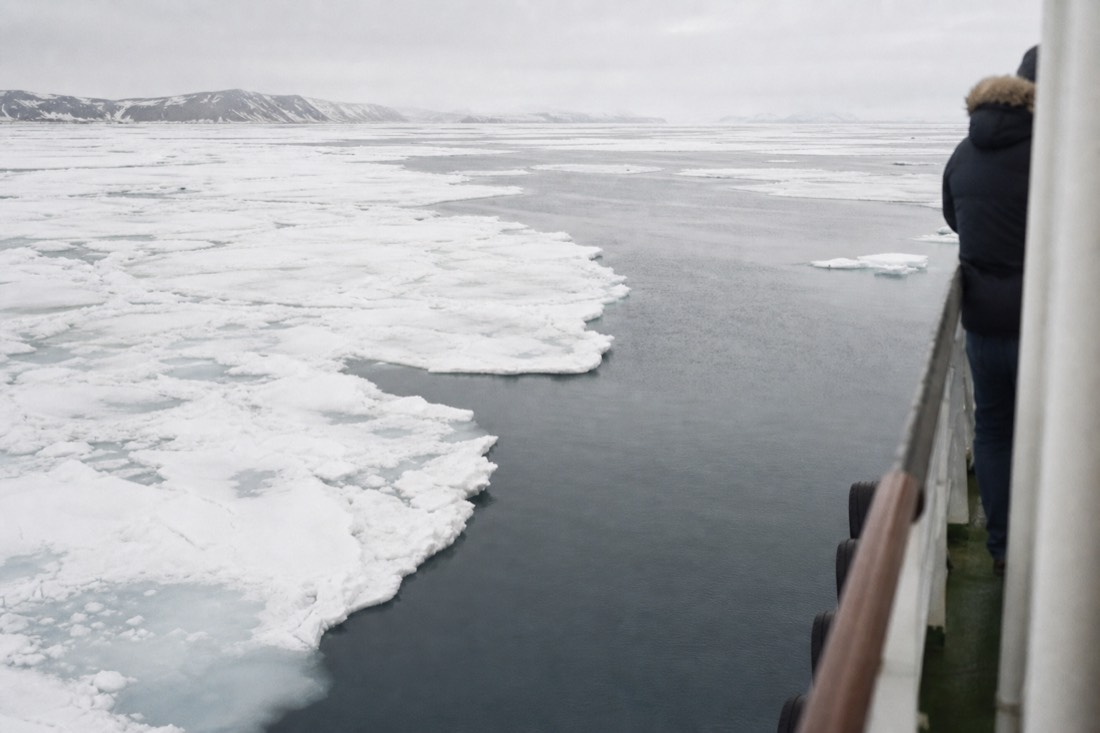
The gap between the two is the whole reason this page exists. People search for a "polar bear tour" imagining something in the price range of the day tours on this site, and the honest answer is that the product they are picturing does not exist at that price. The realistic version is a small expedition ship.
| What you are buying | Rough cost per person | What it delivers |
|---|---|---|
| A Longyearbyen day wildlife tour | $165 to $247 | Reindeer, Arctic fox, birds, seals. No realistic bear. |
| The 3-day Pyramiden camping expedition | Several hundred pounds and up | Time in bear country, sighting as a genuine bonus |
| A 6 to 8-day small-ship expedition | £3,500 to £6,000 | The ice edge and remote fjords, good odds over the week |
| A 10 to 15-day circumnavigation | £6,000 to £12,000+ | The best odds anywhere, plus the wider archipelago |
Those bands are planning allowances drawn from how expedition cruising is priced generally, not quotes for a specific sailing, and they exclude the flight to Longyearbyen and any pre-cruise hotel night. Treat them as the order of magnitude, then price a specific departure.
Which trips actually reach the bears?
The ones with days rather than hours, and a hull rated for ice. Bears hunt seals from sea ice, so the vessel has to reach the ice edge or the remote eastern and northern fjords where ice lingers, and it has to be able to sit there. A fjord cruise out of Longyearbyen, however long, stays in Isfjorden, which is the wrong habitat.
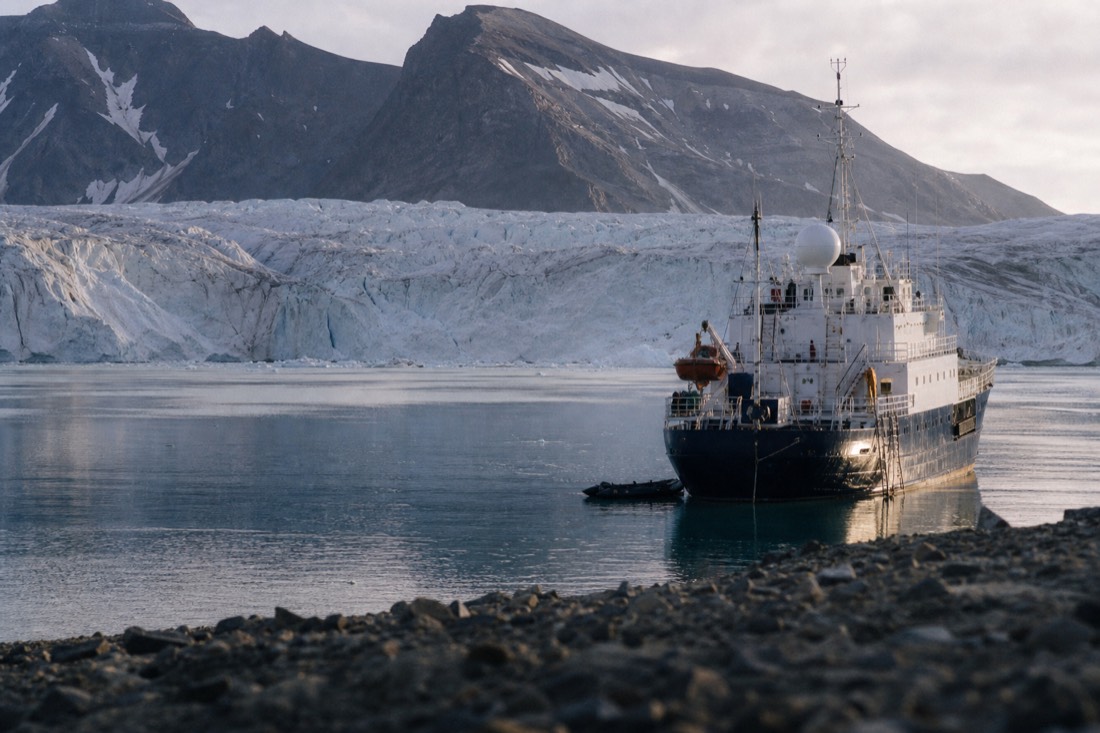
The distinction that matters is not boat size or luxury, it is where the vessel is allowed and able to go, and for how long.
| Trip type | Reaches bear habitat? | Why |
|---|---|---|
| Longyearbyen day boat (Pyramiden, Barentsburg) | No | Stays in settled, largely ice-free Isfjorden |
| Multi-day camping expedition near Longyearbyen | Sometimes | Gets further out, but still central Spitsbergen |
| Small expedition ship, west and north Spitsbergen | Often | Reaches fjords where ice and seals persist |
| Ice-strengthened ship to the pack-ice edge | Best | Sits at the actual hunting habitat |
| Full circumnavigation of Spitsbergen | Best, plus range | Covers east coast ice that forms later |
Even on the right vessel, an honest operator frames a sighting as a strong probability over a week, never a guarantee for a given day. The ice moves, the weather closes in, and the bears do not perform on schedule.
What are the realistic odds, season by season?
Good on a week-long ice-edge expedition in June or July, when the pack ice is still reachable and there is light around the clock to spot with. Lower earlier and later, and effectively nil on any day trip in any season. The single biggest lever on your odds is not the operator, it is how many days you spend in the right place.
The honest framing is exposure time. One afternoon near town is a coin toss weighted heavily against you. Seven days at the ice edge stacks the odds the other way, because you get seven independent chances in the right habitat.
| Timing and trip | Realistic chance of a sighting | Note |
|---|---|---|
| Any Longyearbyen day tour, any month | Very low | Wrong habitat, too little time |
| 3-day expedition, spring or summer | Possible | Depends where the ice sits that year |
| Week-long ice-edge cruise, June to July | Good over the week | The standard "see a bear" trip |
| Week-long cruise, shoulder season | Moderate | Ice edge harder to reach |
| Winter, any format | Effectively nil | No light, no access, no vessels |
Whatever the format, the law still applies at the moment of the sighting: 300 metres minimum, 500 metres between 1 March and 30 June, and you withdraw if the bear closes the gap. The photograph you have seen was almost certainly taken on a very long lens.
What Lars tells people who ask about bears
Book the trip that matches what you actually want. If a bear is genuinely the point, budget for an expedition and treat everything else as a bonus. If you want a good Arctic day out, book the wildlife day and enjoy the reindeer, fox and cliffs it reliably delivers. The unhappy travellers are the ones who booked the second thing while expecting the first.
Lars is a Norway tour specialist rather than a Svalbard guide, and he is careful to say he has never stood at the ice edge himself. What he does is read the listings and the rules, and the pattern in the reviews is consistent: nobody who understood the odds in advance comes home disappointed by a day tour, and nobody who expected a bear from one comes home happy.
His practical advice, drawn from comparing what these products actually are:
- Decide which trip you are on before you book, not after. The two products share a search term and nothing else.
- If you want the bear, price a week, not a day. The expedition budget is real and there is no shortcut around it.
- On a day tour, bring binoculars and lower your expectations to the animals that are actually there. They are worth the trip on their own terms.
- Read the operator's own wording. The good ones say "chance", not "see". That honesty is a quality signal, not a weakness.
The wildlife guide covers everything a day tour genuinely delivers, and the cost guide puts the expedition budget in the context of a whole trip.
Common questions about polar bears in Svalbard
Are there really more polar bears than people in Svalbard?
That comparison uses the wider Barents Sea population, which ranges across a vast area of sea ice and is not resident in Svalbard. The last full Norwegian Polar Institute count within Svalbard's own boundaries came to 264 bears, against roughly 2,500 people in Longyearbyen alone. The line is not invented, but it does not mean what visitors think it means.
Is it dangerous to walk around Longyearbyen?
No. Inside the settlement you walk around unguided and unarmed like anywhere else, and bear encounters in town are rare enough to be news when they happen. The rules and the risk both begin at the settlement boundary, which is closer to the centre than most visitors expect. That boundary is why every hike outside town is guided.
Why does my guide carry a rifle?
Because the law requires anyone travelling outside the settlements to carry means of frightening off a polar bear, and visitors on an organised tour are exempt from that duty precisely because the guide carries it for them. The rifle is a last resort behind flare pistols and noise. Guides here are trained to deter rather than shoot, and killing a bear triggers a formal investigation.
Can I see polar bears at a zoo or sanctuary in Svalbard?
No. There is no zoo, no sanctuary and no captive animal anywhere on the archipelago, and there never will be. Svalbard's whole regulatory posture is about keeping bears wild and people at a distance. The Svalbard Museum in Longyearbyen has taxidermy and excellent exhibits, which is as close as any guaranteed encounter gets.
What time of year is best for polar bear sightings?
June and July for ship-based trips, when the pack-ice edge is reachable and there is light around the clock to spot with. Spring can be productive in the eastern fjords but the legal minimum distance rises to 500 metres from 1 March to 30 June, which makes even a good sighting distant. Winter is effectively out: no light, no access, no vessels.
Plan your tour
Book the Arctic day that actually delivers
Initial editorial choice, not a personalized eligibility check. Confirm the operator’s full requirements before booking.
Choose the wildlife day by month and time
This screens only the season, the time window and the pick you choose, using each listing’s published duration and season. Health, fitness, language, licence and every remaining requirement still need operator confirmation, and travel to the meeting point is not included in the durations.
- Wildlife spotting & Arctic polar plunge: Reindeer and Arctic fox scouting plus a guided dip in the Arctic ocean in protective gear, in two and a half hours. 2.5 hours The plunge is optional; wildlife sightings are honest probabilities, not promises.
- Arctic wildlife photo tour: Three hours with a photo guide who knows which valley the reindeer and foxes are actually in. 3 hours Long lenses help; no tour can promise a polar bear.
- Arctic wildlife scouting by van: A van-based scouting day for wildlife at the easiest effort level, with several language options. 4 hours Sightings vary by day and season; the van keeps you warm between stops.
Compare your actual party totals
Enter the prices you see on the listings, in the same currency. “Separate spending” means costs a guided day would actually replace, not a regular day you would pay anyway.
Wildlife spotting & Arctic polar plunge
Have your travel date in mind? Check it before arranging the rest of your day. Reindeer and Arctic fox scouting plus a guided dip in the Arctic ocean in protective gear, in two and a half hours.
2.5 hours
The plunge is optional; wildlife sightings are honest probabilities, not promises.
Check your date on GetYourGuide