The Northernmost Everything, and Which Claims Are Actually True
Longyearbyen collects superlatives the way other towns collect twin cities. Some of them hold up, several are quietly contested, and one is genuinely remarkable.
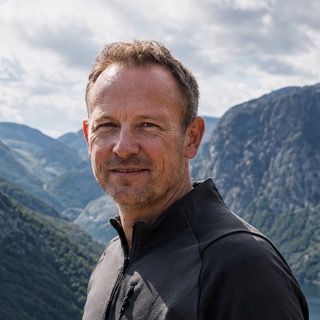 By Lars Hansen, Norway tour specialist covering Arctic Norway and Svalbard
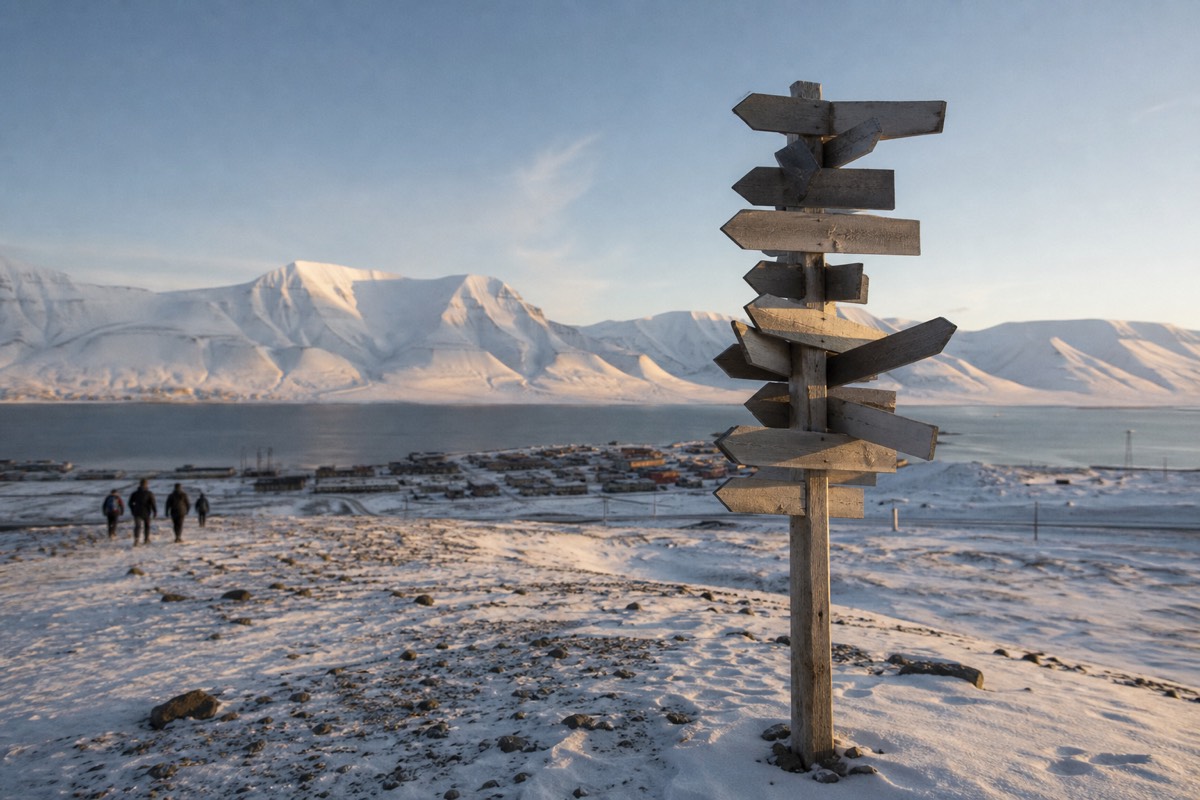
Longyearbyen has the world's northernmost brewery, the northernmost university, the northernmost commercial airport, the northernmost church, the northernmost hotel and, depending on who is counting, the northernmost several other things. The town leans into it, and it is genuinely funny once you notice how many signs mention it.
Some of these claims are solid. A few depend on definitions that are doing quite a lot of work. And one of them is the reason the whole place is interesting.
The ones that clearly hold up
| Claim | Holds up? | Why |
|---|---|---|
| Northernmost town with a permanent population over 1,000 | Yes | This is the careful phrasing, and it is why the qualifier exists |
| Northernmost commercial airport with scheduled service | Yes | Svalbard Airport, at about 78.2 degrees north |
| Northernmost university | Yes | The University Centre in Svalbard |
| Northernmost brewery | Yes | And it knows it |
| Northernmost church | Yes | Open around the clock, and unlocked |
| Northernmost ATM, post office, supermarket | Yes, and endlessly signposted |
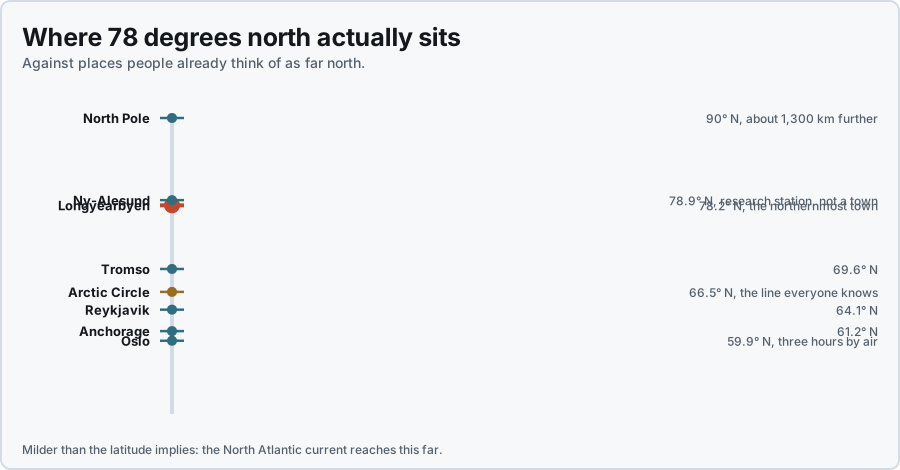
The qualifier on the first line is doing the real work. There are settlements further north, including the Norwegian meteorological station at Ny-Alesund on the same archipelago, but they are research stations with rotating staff rather than towns with schools, shops and children. Longyearbyen is the northernmost place that is a place.
The one that actually matters
Not a superlative at all, but a legal fact: Svalbard is visa-free for every nationality on earth, and outside the Schengen area.
Under the 1920 Svalbard Treaty, Norway has sovereignty but citizens of signatory states have equal rights of access, residence and commercial activity, which the Governor of Svalbard sets out plainly. Anyone can move here. No permit, no points system, no application.
The catch, which the viral version of this fact always omits, is that every flight goes through mainland Norway, which is inside Schengen. So if your passport needs a Schengen visa for Norway, you need one for the transit, ideally multi-entry so you can get back out. The full mechanics.
The other catch is practical: there is a housing shortage, most homes are tied to employers, and there is no safety net. People who arrive without a job or accommodation can be required to leave. "Anyone can move to Svalbard" is legally true and logistically difficult.
The claims that need an asterisk
"You cannot be born or buried here." The most repeated Svalbard fact on the internet, and it is not a law. There is no maternity unit, so expectant mothers travel to the mainland several weeks before their due date, which is a medical logistics decision rather than a prohibition. Burial in the small cemetery has been restricted since the 1950s because permafrost preserves rather than decomposes remains, and there was a genuine concern about the 1918 influenza. Neither is a ban of the kind the internet describes.
"There are more polar bears than people." This compares the wider Barents Sea bear population, which ranges enormously with the sea ice, against Svalbard's human population. The last full Norwegian Polar Institute count within Svalbard's own boundaries came to 264 bears. The line is not invented; it just does not mean what visitors take it to mean, which is that they will see one. Why that matters.
The vault above the airport road is documented by the Crop Trust, which co-manages it. "Cats are banned." This one is real, and for a good reason: cats prey on the seabirds that nest in enormous colonies here, and the ecosystem has no equivalent predator. Dogs are everywhere. Cats are not.
| Claim | Verdict |
|---|---|
| Cannot be born here | Not a law. No maternity unit, so mothers leave beforehand. |
| Cannot be buried here | Restricted since the 1950s, because permafrost preserves. Not a blanket ban. |
| More bears than people | True of the wider regional population, not of bears resident in Svalbard |
| Cats are banned | True, and it is about the bird colonies |
| Anyone can live here visa-free | Legally true, practically constrained by housing and work |
| No trees | True, and it changes the landscape more than you expect |
The superlatives you can actually visit
Several of them are on a two-hour tour, which is the efficient way to collect them.
| Northernmost thing | How to see it | Cost |
|---|---|---|
| University | Visible in town, on most walking tours | From $112 |
| Church | Walk in, any hour, free | Free |
| Brewery | Buy a drink | Drinks |
| Commercial airport | You land at it | Included |
| Global Seed Vault | Exterior only, on several tours | From $128 |
| Coal mine you can enter | The Gruve 3 tour, 4.8 across 491 reviews | From $146 |
| Soviet ghost town | Pyramiden, nine hours by boat | From $505 |
The other one worth collecting is the northernmost coal mine you can walk into, at 4.8 with the deepest review history on the archipelago: check availability here. The Seed Vault car tour covers the town, Adventdalen, the mining sites and the vault exterior in two hours for about $128, which is the highest superlative density available per krone. You can check live availability and prices on GetYourGuide if that appeals.
What 78 degrees north actually feels like
Warmer than you expect, which is the real surprise. The North Atlantic current reaches this far, so a January day in Longyearbyen typically sits between -16 and -12 °C, comparable to a cold winter in Helsinki and considerably milder than places a thousand miles further south in Canada.
What is genuinely extreme is the light. Four months without a sunset, eleven weeks without a sunrise, and a landscape with no trees to break either. That is the superlative that changes the experience rather than decorating a sign, and it is covered in the polar night and midnight sun guides.
Why the town collects them
Partly marketing, and partly something more interesting. Longyearbyen has spent a century needing a reason to exist: first coal, then a strategic presence, then research, and now tourism. Superlatives are a way of asserting that a settlement this improbable is a real place with real institutions, which is exactly what a company town becoming a community would want to say.
The brewery is the clearest example. Getting a licence to brew in Svalbard required a change to Norwegian regulations dating from the coal era. Somebody thought it was worth the fight. That is a town, not a station.
Whether the whole thing is worth the flight is a fair question, and is Svalbard worth visiting argues it both ways.
Questions about Svalbard's superlatives
Is Longyearbyen really the northernmost town in the world?
It is the northernmost settlement with a permanent population over 1,000, which is the careful phrasing and the honest one. There are places further north, including Ny-Alesund on the same archipelago, but they are research stations with rotating staff rather than towns with schools, shops and permanent families.
Is it illegal to die in Svalbard?
No, and the internet version of this is wrong. Burial in the small Longyearbyen cemetery has been restricted since the 1950s because permafrost preserves remains rather than decomposing them, and there was concern about the 1918 influenza. People are flown to the mainland for burial. Nobody is prevented from dying, or removed for being ill.
Can anyone really move to Svalbard?
Legally, yes, under the Svalbard Treaty, with no visa or permit for any nationality. Practically it is constrained by a serious housing shortage, most homes being tied to employers, and no social safety net. People who arrive without work or accommodation can be required to leave. It is an open border with a closed housing market.
Plan your tour
The northernmost collection day
Initial editorial choice, not a personalized eligibility check. Confirm the operator’s full requirements before booking.
Collect the superlatives
This screens only the season, the time window and the pick you choose, using each listing’s published duration and season. Health, fitness, language, licence and every remaining requirement still need operator confirmation, and travel to the meeting point is not included in the durations.
- Global Seed Vault & Arctic viewpoint by car: The Global Seed Vault entrance and the Arctic viewpoint from a car tour, in two hours at the easiest effort. 2 hours You see the Vault's entrance from outside; entry itself is not part of any tour.
- Gruve 3 historic coal mine tour: Three hours inside a real coal mine with guides who worked the industry, and the deepest review history in the whole Svalbard inventory. 3 hours Runs year-round but books out; helmets and lamps supplied.
- Longyearbyen walking tour with a local guide: The town on foot with a local guide, two and a half hours covering the history that the buildings keep hiding. 2.5 hours Town walking, so it runs in every season; dress for standing still.
Global Seed Vault & Arctic viewpoint by car
Have your travel date in mind? Check it before arranging the rest of your day. The Global Seed Vault entrance and the Arctic viewpoint from a car tour, in two hours at the easiest effort.
2 hours
You see the Vault's entrance from outside; entry itself is not part of any tour.
Listings loaded by GetYourGuide. If they do not load, browse Svalbard listings on GetYourGuide.Check your date on GetYourGuide